We are Northern Europe’s leading YAKISUGI manufacturer, direct heirs to ancient Japanese charred board technology. By blending time-honored traditions with modern demands, we deliver products of unmatched longevity, naturalness, and stable quality.
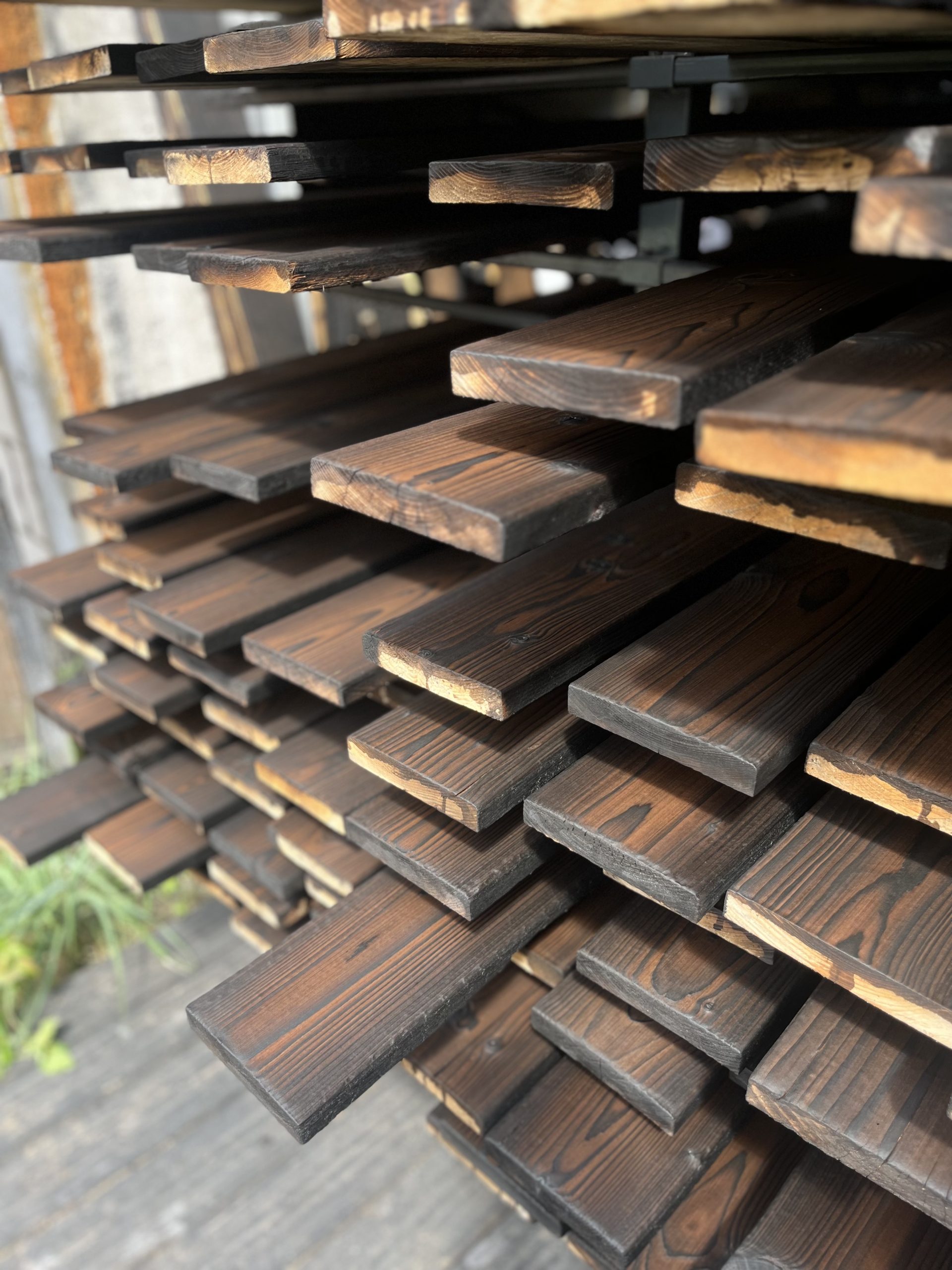
As highest-standard professionals, we continuously innovate, expanding our charred board range to meet evolving needs. Our work earns praise from clients and leading North European architects & designers.
We export to 8 countries, including the USA, UK, Russia, Sweden, Finland, Norway, Germany, and Denmark.
This text briefly introduces your values to your visitors and tells them what sets you apart from the competition.
We relentlessly innovate charred wood solutions, fusing ancient Japanese techniques with modern testing to deliver facades that withstand Northern Europe's harshest weather.
Our scientists, architects, and builders ensure precision in every char level, ventilation gap, and seal - meeting top standards for durability and low-maintenance performance.
With years perfecting Yakisugi for exports to 8 countries, we guide clients from material selection to installation, minimizing costs and maximizing longevity.
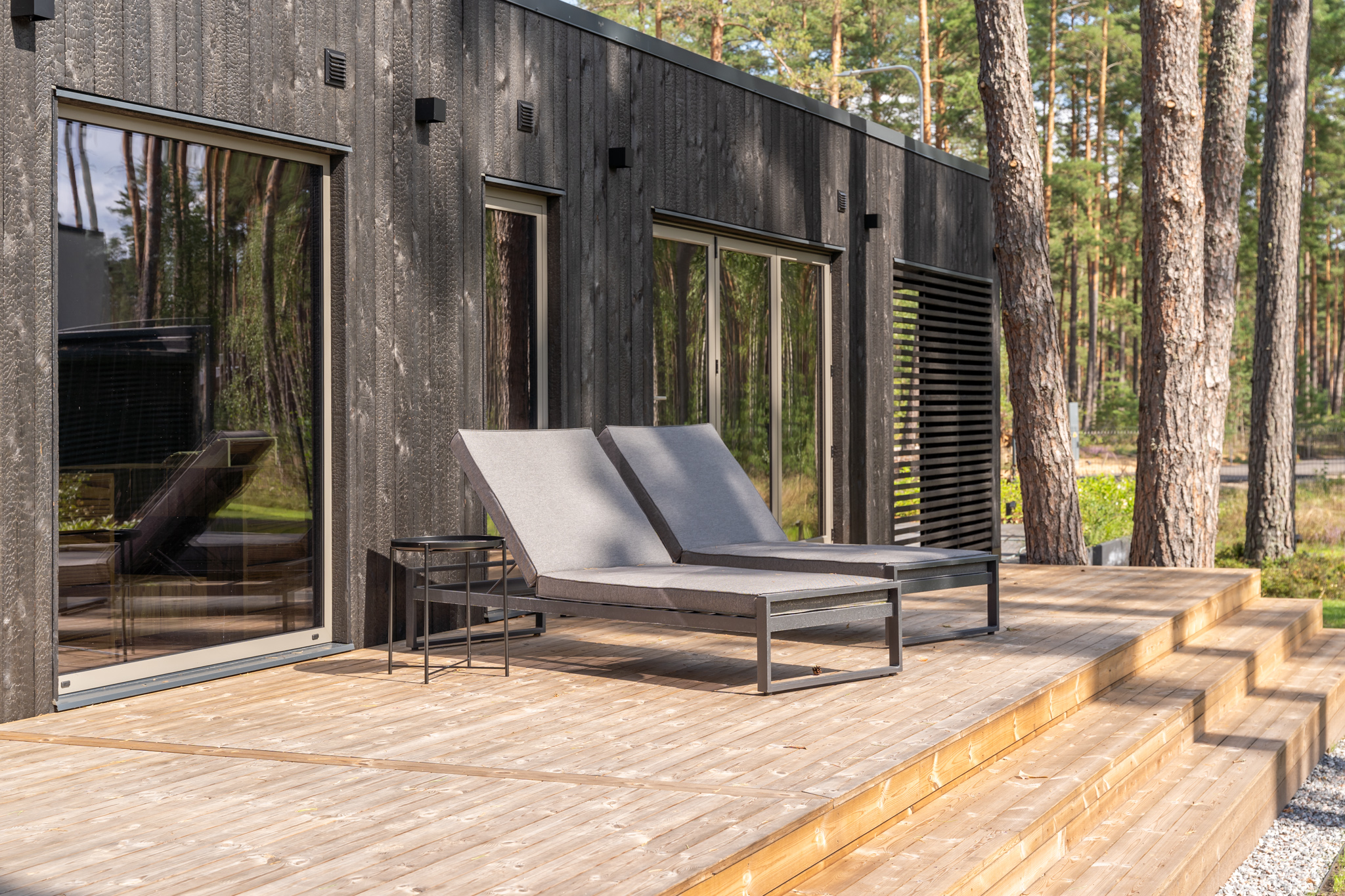
We battle every challenge in charred wood facade projects with unyielding commitment. From sourcing premium timber to perfecting char levels against harsh Northern European weather, we push boundaries to deliver durable, low-maintenance solutions that outlast expectations.
Our team of scientists, architects, and builders fights for optimal results – rigorously testing ventilation gaps, thicknesses, and seals to prevent moisture, warping, or costly repairs. We advocate relentlessly for your vision, ensuring compliance, efficiency, and beauty in every board.
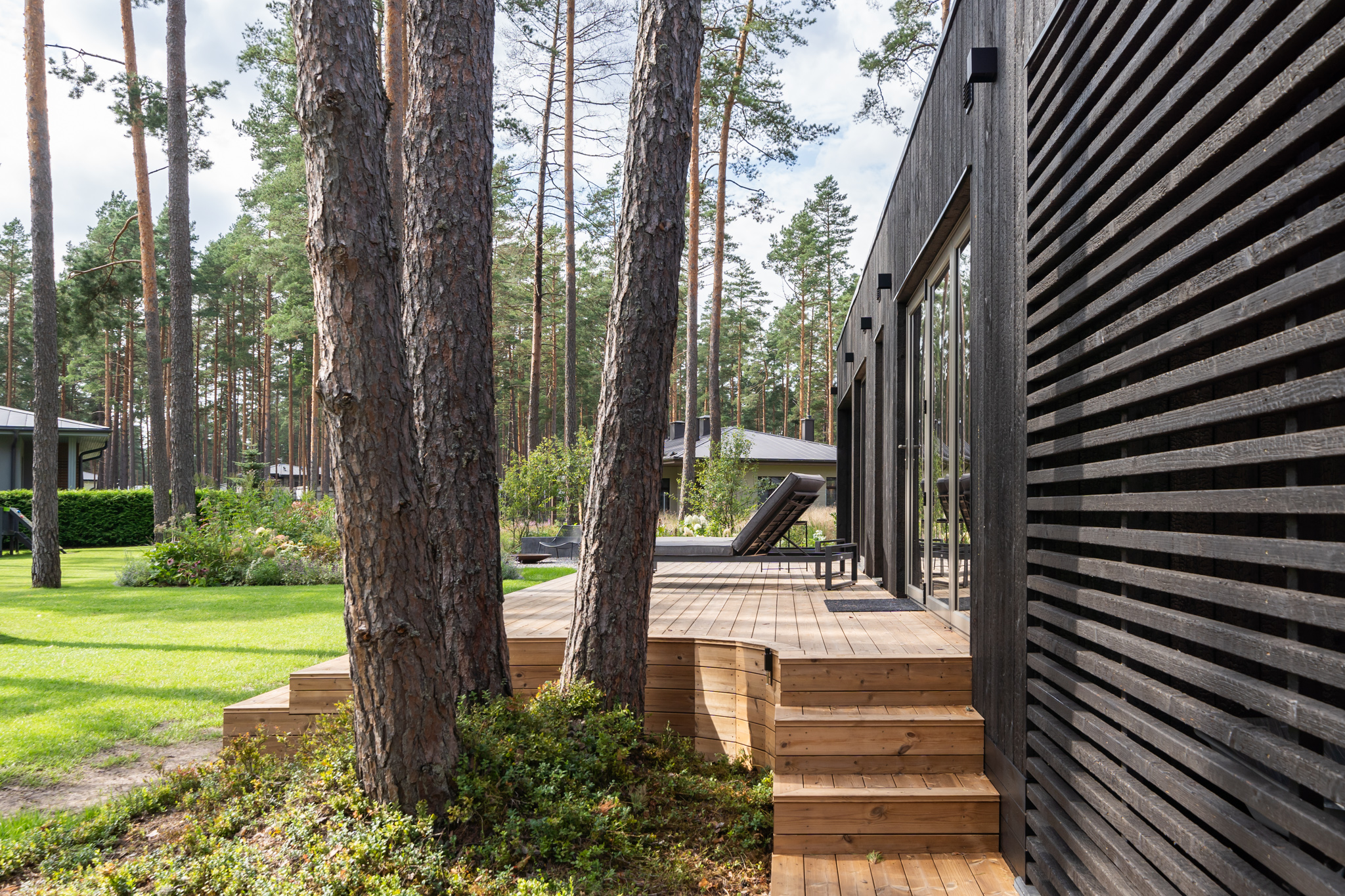
We carry forward the timeless Japanese art of charred wood cladding, enhanced with cutting-edge standards to ensure exceptional durability, authenticity, and consistency.
A dedicated group of researchers, architects, creatives, and construction experts invested years in analyzing traditional techniques and conducting extensive trials, yielding elite performance you can count on.
Your go-to specialists, we relentlessly advance -launching innovative charred wood options and broadening our lineup – all while supporting you through every phase of your project.
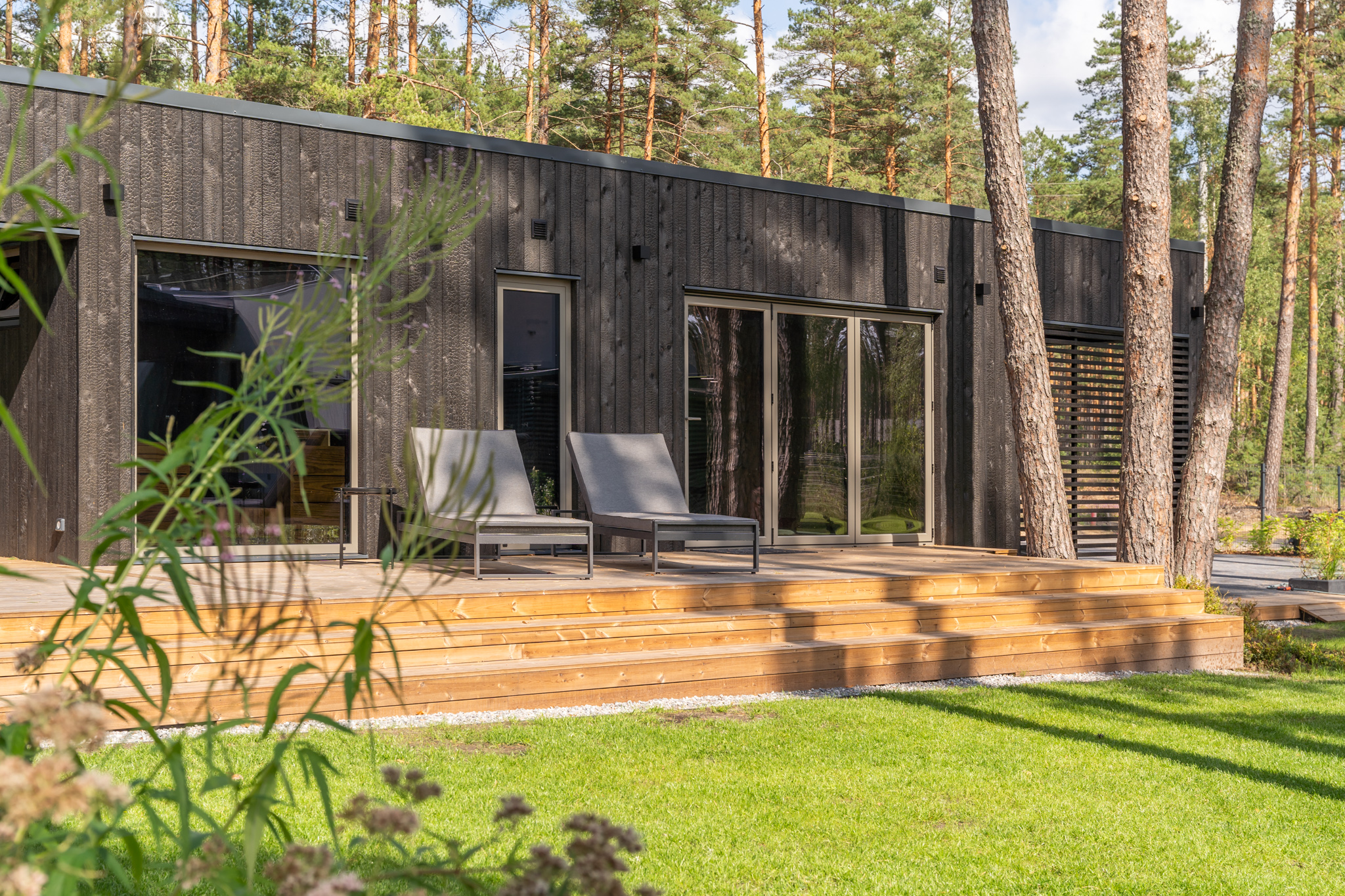
The biggest drivers of facade upkeep expenses are material durability and protection, the need for regular treatments, and maintenance frequency. Wooden facades, for instance, demand periodic impregnation, painting, or oiling every few years to combat moisture, mold, UV damage, and pests – driving up both material and labor costs.
Ventilation and insulation levels also play a key role, reducing damage risks and enabling long-term energy savings. Opting for low-maintenance materials like charred wood or composite panels cuts routine care needs and overall spending.
Common extra costs stem from repainting, repairs, and moisture/pest control. Ultimately, costs tie directly to material quality, protective capabilities, and upkeep demands.
Charred wood slashes long-term facade costs compared to untreated wood. Charring adds fire resistance, moisture/rot/pest protection—cutting needs for treatments and repairs.
Untreated wood degrades faster, hiking upkeep and restoration expenses. Charred wood also retains beauty longer, skipping repaints or refinishing.
Overall, charred wood proves more economical and practical due to superior durability and lower demands.
Match char level to style, function, and visual effect. Light char keeps natural grain with “zebra” contrast – ideal for minimalist or organic designs.
Medium char delivers elegant matte/satin sheen, highlighting grain for modern/Scandinavian blends of beauty and practicality.
Heavy char creates bold relief, shiny “alligator skin” texture – perfect for industrial, contemporary, or high-contrast looks with max durability.
For facades, pick medium/heavy for protection; interiors allow all levels based on desired effect and use.
Use ventilation profiles with 20-40 mm gaps between cladding and structure for natural airflow and moisture prevention – keeping surfaces dry and damage-free.
Leave 10-15 mm gaps between boards to let wood breathe, adapt to humidity/temperature shifts, and minimize warping.
These ensure effective ventilation and long-term charred wood protection.
Using charred wood for facades dramatically lowers long-term maintenance expenses by boosting resistance to moisture, rot, and pests. The charring process tightens wood pores, blocking water penetration and shielding the facade from damage – eliminating the need for frequent chemical treatments.
It also enhances fire resistance, improving building safety and cutting restoration costs over time. Plus, its natural beauty maintains aesthetic appeal longer, reducing repaints or repairs.
Choosing charred wood delivers substantial financial and practical advantages for facade upkeep.
Select char level based on function, aesthetics, and conditions. For facades, use medium or heavy charring for weather resistance, moisture/pest/fire protection, and reduced warping – especially on all surfaces. Heavy “alligator skin” creates durable, textured matte/shiny finishes, sealable with specializers.
For interiors, opt for light or medium char to highlight grain, yielding smooth/textured decorative effects for cozy spaces.
Lighter char needs less finishing; heavier pairs with oiling or epoxy for appeal. Balance practical needs with design goals.
Charred interiors favor softwoods and hardwoods for aesthetics and fire-treated durability. Top choices: pine, spruce, oak, ash, walnut, maple.
Softwoods like pine/spruce offer availability and natural char effects. Hardwoods like oak/walnut provide rich grain and strength for furniture/panels.
These blend beauty, function, and unique Shou Sugi Ban textures/contrasts.
Wood thickness in charred walls impacts insulation and mounting. Thicker boards boost insulation by slowing heat loss and stabilizing temperature.
Excess thickness complicates installation, adding weight and seasonal warp risk. Optimal 20–40 mm balances insulation, easy mounting, and stability.
Account for wood moisture; seal charred surfaces with quality sealants for aesthetics and weather protection.
Collect visitor’s submissions and store them directly in your Elementor account, or integrate your favorite marketing & CRM tools.