We began with a simple question: “Why do most wooden facades in Latvia fail to stand the test of time?”
The answer led us to Japan and the traditional Yakisugi, also known as Shou Sugi Ban, wood-charring technique. When we first saw how fire-treated timber becomes more durable, dimensionally stable, and visually richer, it became clear that this was the direction we wanted to develop.
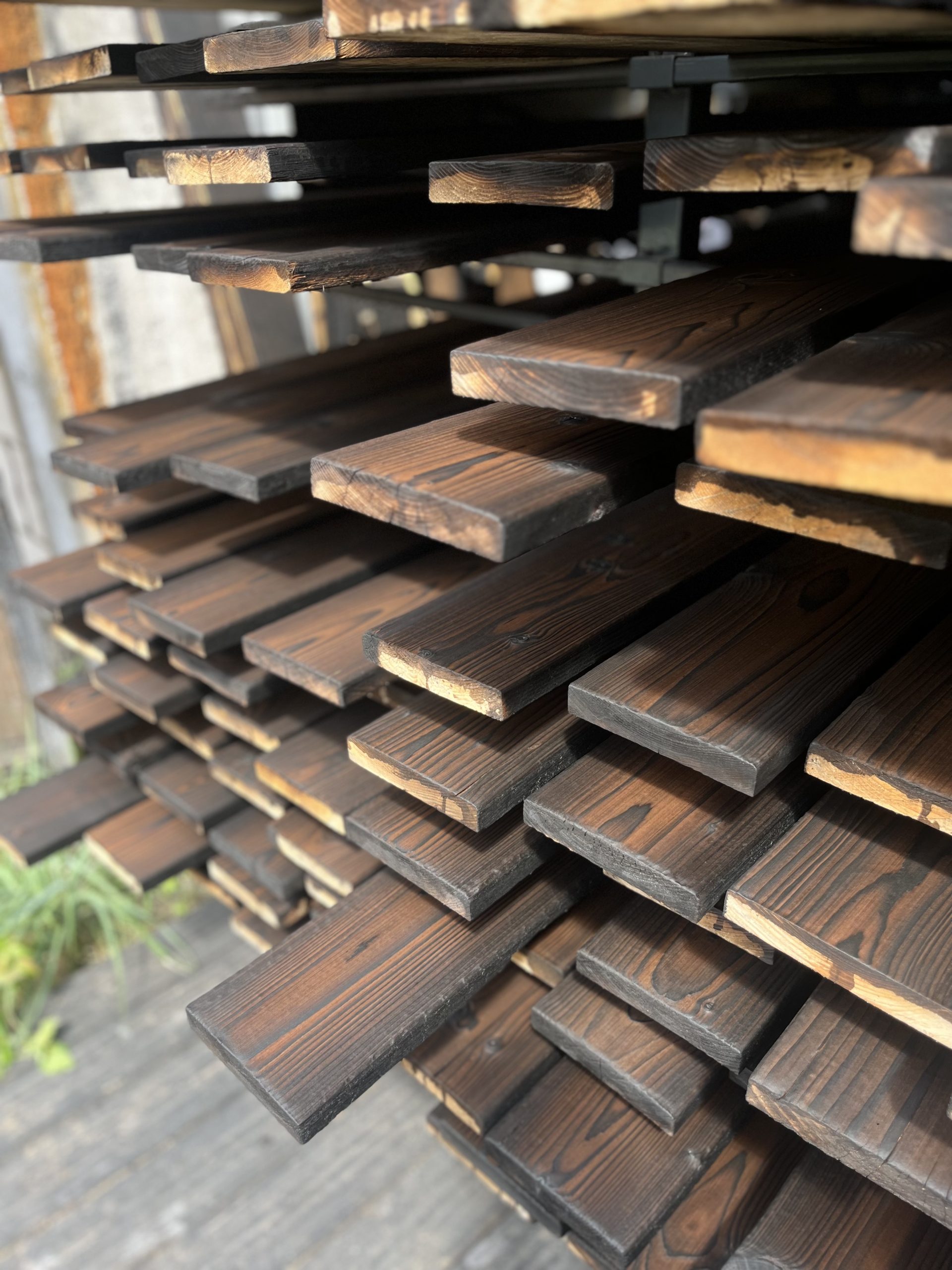
Charred wood cladding helps resist moisture, weathering, insects, and decay. This makes Yakisugi an increasingly popular choice for long-lasting, low-maintenance wooden facades in demanding climates such as Latvia’s and Nordic region.
We do more than manufacture charred wood. We engineer architectural materials adapted to climate, context, and long-term performance requirements.
With over 10 years of experience, our solutions are developed for demanding environments across Scandinavia, Germany, the United Kingdom, the United States, and beyond, where durability matters as much as design.
The difference lies not only in the material itself, but in the knowledge, testing, and expertise behind every project.
We constantly test instead of relying on assumptions. Charred wood is not “one standard for everyone.” We test various charring levels, adapt the treatment (for example, for Northern European climates), and improve the technology based on real projects. The goal is that the facade looks good not only today, but also after 10+ years.
Precision that defines the result. Most facade problems arise not from the material, but from details. We control ventilation gaps, wood thickness, treatment, and protective layers. That means less risk and a longer service life.
Experience that reduces mistakes and costs. More than 10 years working with Yakisugi means we have already seen what works and what does not. We help clients choose the right material, avoid expensive errors, and find the optimal solution for their project.
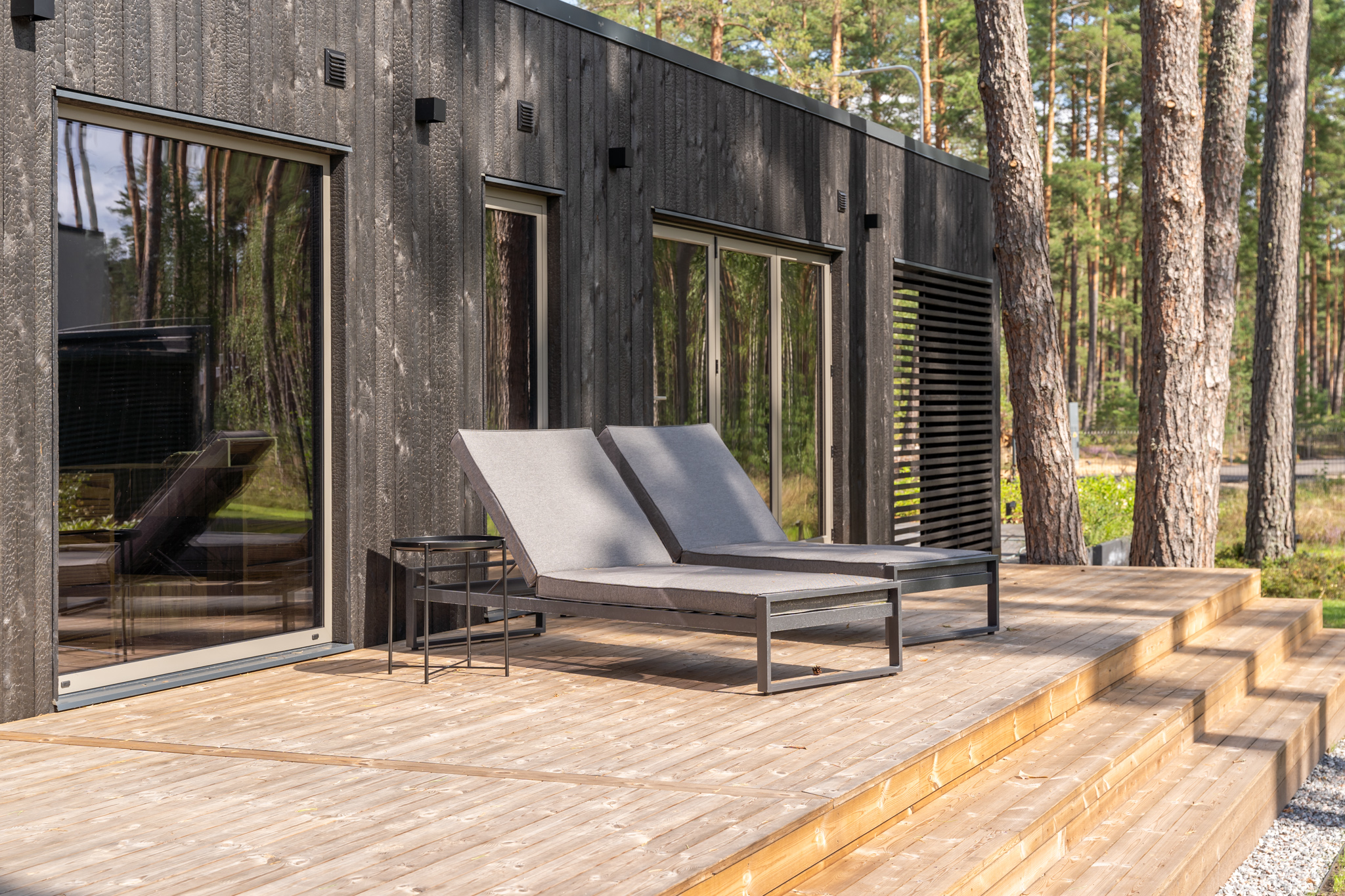
We look beyond the material itself to understand how it contributes to the overall architectural vision, from the texture and tone to the way the finished surface works with the building’s design.
We provide guidance from the design stage through installation and beyond, helping you make informed decisions, get the details right on site, and understand how to care for your wood over time.
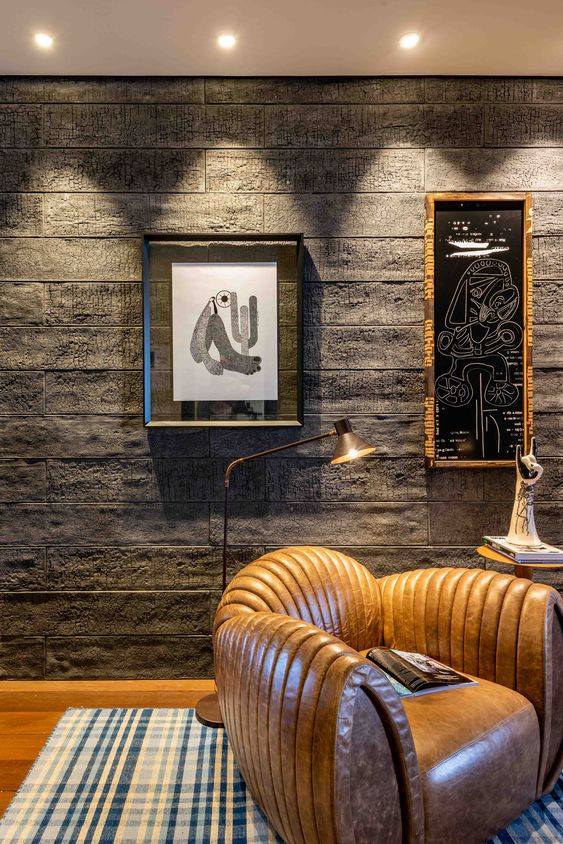
The right charred wood solution is about more than appearance. It’s about choosing the right finish, understanding how the wood will perform in your specific environment, and getting the details right before they become costly problems.
At KOTUMAKI, we draw on years of hands-on experience and testing to help you make informed decisions – from selecting the right charring level and tone to adapting the solution to your building type and local climate.
We provide practical guidance throughout the project, helping you avoid common pitfalls and achieve a consistent finish with lasting performance.
So you can move forward with confidence, knowing your wood is chosen for your project – and your vision is built to last.
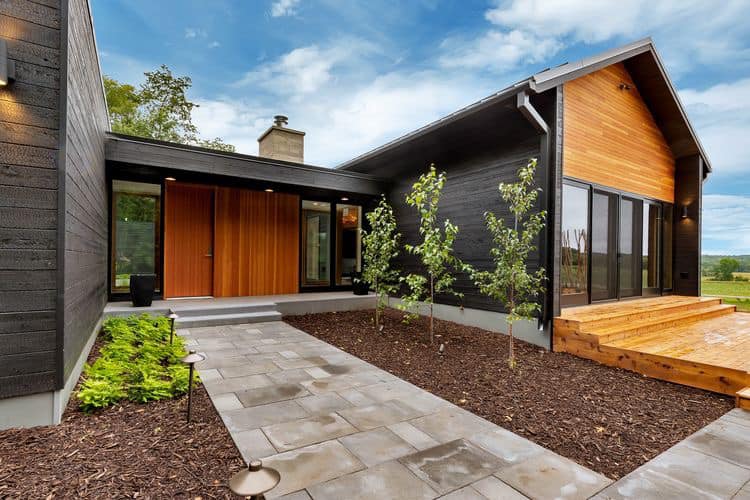
The biggest factor is not the initial price, but what happens afterward.
Usually, costs come from:
– how often the facade must be treated,
– how well it resists moisture and UV,
– how quickly damage appears.
A regular wood facade requires frequent painting and maintenance. Charred wood reduces the frequency of maintenance and long‑term costs.
The real question is not the initial price. The question is, what will it cost after 5, 10, or 15 years?
A regular wood facade needs regular repainting, maintenance, and repairs. Charred wood (Shou Sugi Ban / Yakisugi) is more resistant to moisture, mould, and weather conditions, so maintenance is less frequent.
The result: fewer maintenance tasks, rarer repairs, and a more stable appearance over time.
Charred wood is often not the cheapest option at the start, but in the long term it becomes the economically smarter solution: less maintenance, fewer surprises, and a stable result.
The charring level influences both appearance and durability.
Light charring – keeps a natural wood grain with subtle contrasts. Suitable for minimalist and natural designs.
Medium charring – a balance between aesthetics and practicality. Works well with modern and Scandinavian architecture.
Heavy charring – pronounced texture (“alligator skin”) and maximum durability. Fits bold, high‑contrast designs.
For facades, medium or heavy charring is usually chosen. For interiors, any level can be used, depending on the desired effect. The darker and deeper the result, the higher the durability.
Correct ventilation is one of the key factors determining the facade’s lifespan.
A 20-40 mm gap behind the cladding ensures airflow and prevents moisture buildup.
A 10-15 mm gap between boards allows the wood to “breathe” and reduces the risk of deformation.
The result: a drier structure, fewer damages, and a longer service life.
During the charring process, the wood surface becomes denser, water absorption decreases, and mould and pests are hindered.
This leads to less frequent maintenance, fewer repairs, and a more stable visual appearance over time. It is an investment, not just a finishing choice.
For interiors, pine, spruce, oak, and walnut are most often used.
Softwoods (pine, spruce) deliver a stronger charring effect and are more readily available. Hardwoods (oak, walnut) stand out with deeper texture and higher durability.
The choice depends on whether the priority is visual impact or maximum longevity.
This depends on where the wood will be used.
For facades, medium or heavy charring is usually chosen to ensure higher resistance to moisture, weather, and damage.
For interiors, light or medium charring is more common, to highlight the natural wood grain and create a warm, aesthetic effect, while still balancing durability.
Simply put: outside – durability; inside – visual impact (with a balance between both).
Wood thickness affects both thermal performance and ease of installation.
Thicker boards offer better insulation and more stable temperature conditions.
Boards that are too thick can be heavier, harder to install, and more prone to deformation.
Typically, 20-40 mm thickness strikes the best balance between durability, insulation, and easy installation.
Proper moisture content, high‑quality treatment, and protection are also crucial for long‑term performance.
We will help you explore the options and find the right approach for your vision